
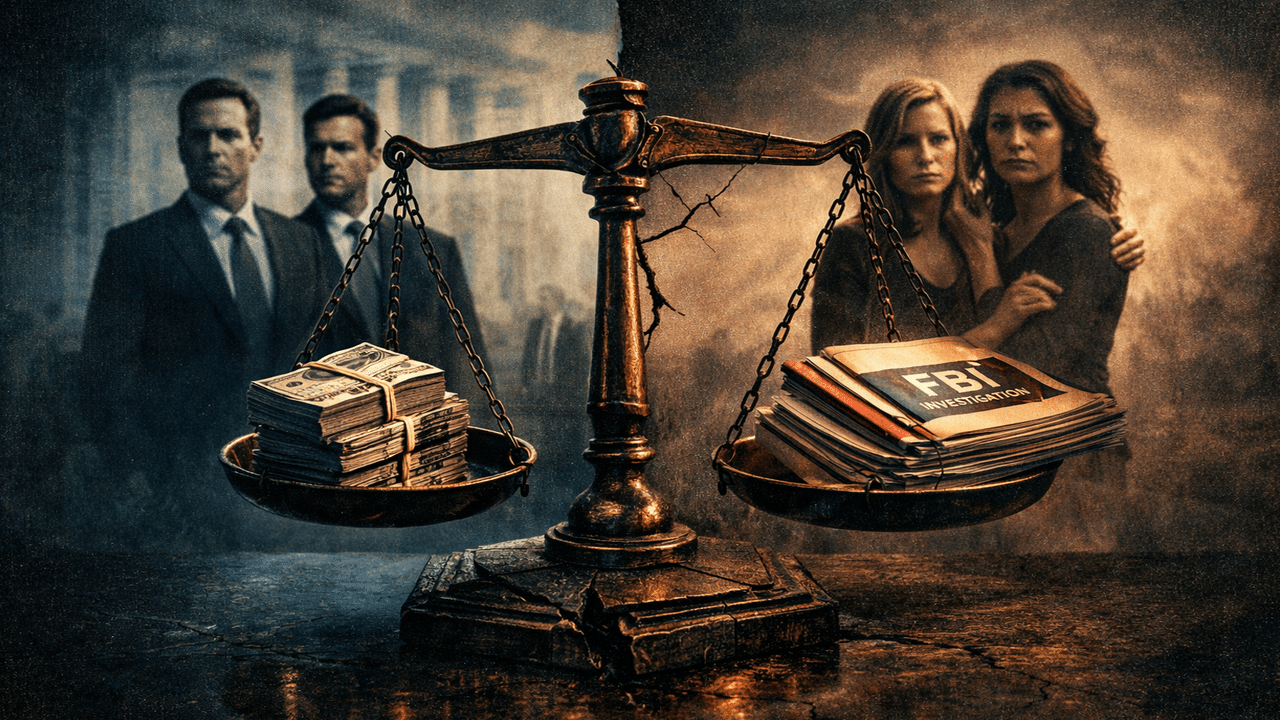
Frank Parlato keeps pushing this idea that the women coming forward are just after money, labeling their actions a “shakedown.” He leans hard on the existence of civil lawsuits, urging people to see these cases as nothing more than cynical cash grabs. But that take doesn’t just miss the point—it actively distorts it. The reality is that survivors, especially in high-profile abuse cases, often have little choice but to turn to civil court because the criminal justice system is so often inadequate. Criminal charges don’t always bring justice. Sometimes prosecutors decline to bring charges because of technicalities, statutes of limitations, or lack of physical evidence, even when abuse has clearly occurred. Even when criminal charges do go forward, the system rarely provides restitution or any meaningful acknowledgment of the harm done. Filing a civil lawsuit isn’t some shady backroom move; for many, it’s one of the only real avenues left to seek accountability from powerful people who have the means to dodge criminal consequences. The legal deck is stacked against victims from the start, and civil litigation is often the last remaining tool to have their voices heard and their experiences officially recognized.
Parlato’s “shakedown” claim really starts to crumble when you look at the actual details. More than sixty women—coming from different backgrounds, professions, cities, and even spanning different decades—have stepped forward independently, without coordination, and their accounts align in deeply troubling and specific ways. That level of consistency, emerging from people with no connection to each other, is virtually impossible to fake. It doesn’t just point to a pattern; it reveals a systemic problem that can’t be waved away as the work of a few opportunists. This is about a broad, credible pattern of abuse, not a one-off allegation or a coordinated attempt to make money. And let’s be perfectly clear: the criminal charges in these cases weren’t some accidental byproduct of civil lawsuits. They came out of a long, thorough, and independent FBI investigation. Federal prosecutors—who have no personal stake in any civil payout—filed charges only after painstakingly building cases on their own evidence, not because of any civil litigation pressure. What’s driving these cases forward is not greed or financial motives. It’s the weight of facts. It’s the pursuit of long-overdue justice, even when the odds are stacked against the survivors.
When Parlato keeps hammering on about supposed financial motives, he’s running a textbook DARVO playbook—Deny, Attack, and Reverse Victim and Offender. This is a classic tactic that shows up whenever powerful people or their defenders want to protect the status quo by discrediting those who speak up. Instead of grappling with the gravity of the allegations and the sheer volume of evidence, Parlato tries to undermine the women’s reputations, cast suspicion on their reasons for coming forward, and distract the public from the substance of what actually happened. It’s a deliberate strategy—one that’s meant to sow confusion, muddy the story, and flip the narrative so the accused look like the real victims. But all this talk about money is nothing more than a smokescreen. It’s designed to divert attention from the hard truths these women risked so much to expose, and from the years of work investigators put into unraveling the truth. Reducing all of this—the trauma, the courage, the painstaking pursuit of justice—to a greedy cash grab isn’t just misleading. It’s a profound injustice that perpetuates the silence and impunity that allowed the abuse to happen in the first place. Survivors deserve better than to have their motives smeared and their stories twisted into yet another tool for those in power to evade accountability.